Seamless Stucco Repairs: Blending with Your Existing Walls
- emanuell11
- May 4
- 3 min read
Stucco is a popular choice for exterior finishes due to its durability and aesthetic appeal. However, over time, even the best stucco can develop cracks, chips, or other forms of damage. When this happens, seamless repairs become essential to maintain the integrity and appearance of your home. In this blog post, we will explore effective methods for repairing stucco, ensuring that your repairs blend seamlessly with your existing walls.

Understanding Stucco
What is Stucco?
Stucco is a mixture of cement, sand, and lime, which is applied to walls to create a hard, durable surface. It can be textured or smooth and is available in various colors. Its versatility makes it a popular choice for both residential and commercial buildings.
Benefits of Stucco
Durability: Stucco is resistant to fire, rot, and pests.
Low Maintenance: It requires minimal upkeep compared to other materials.
Energy Efficiency: Stucco provides good insulation, helping to regulate indoor temperatures.
Common Types of Stucco Damage
Cracks
Cracks are the most common issue with stucco. They can occur due to settling, temperature changes, or moisture infiltration.
Chips and Holes
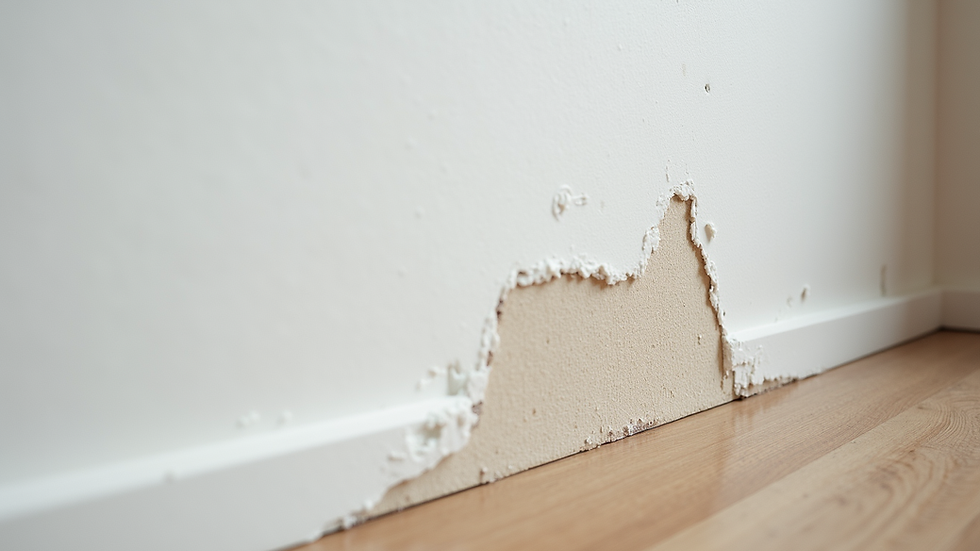
Chips and holes can result from impacts or weathering. These imperfections not only affect the appearance but can also lead to further damage if not addressed.
Discoloration
Over time, stucco can fade or become discolored due to sun exposure, dirt, or mold growth. This can make even minor damage more noticeable.
Preparing for Repairs
Assessing the Damage
Before starting any repairs, it’s crucial to assess the extent of the damage. Look for:
Size and depth of cracks
Areas of discoloration
Loose or crumbling stucco
Gathering Materials
To ensure a successful repair, gather the following materials:
Stucco patching compound
Trowel
Wire brush
Sandpaper
Primer and paint (if necessary)
Repairing Cracks
Small Cracks
For small cracks (less than 1/4 inch), follow these steps:
Clean the Area: Use a wire brush to remove any loose material around the crack.
Apply Patching Compound: Use a trowel to fill the crack with stucco patching compound. Smooth it out to match the surrounding surface.
Let it Dry: Allow the compound to dry completely, following the manufacturer’s instructions.
Large Cracks
For larger cracks (greater than 1/4 inch), the process is slightly different:
Widen the Crack: Use a chisel to create a V-shape in the crack, which helps the patch adhere better.
Clean the Area: Remove any debris with a wire brush.
Fill with Patching Compound: Apply the compound in layers, allowing each layer to dry before adding the next.
Texture the Surface: Once the final layer is dry, use a sponge or brush to match the texture of the surrounding stucco.
Repairing Chips and Holes
Small Chips
For small chips, the repair process is straightforward:
Clean the Area: Remove any loose stucco around the chip.
Apply Patching Compound: Fill the chip with the compound and smooth it out.
Texture and Paint: Match the texture and paint if necessary.
Larger Holes
For larger holes, follow these steps:
Create a Backing: If the hole is deep, insert a piece of mesh or wood to provide support.
Fill with Patching Compound: Apply the compound in layers, allowing each layer to dry.
Texture the Surface: Use a sponge or brush to replicate the existing texture.
Addressing Discoloration
Cleaning the Surface
Before addressing discoloration, clean the stucco surface with a pressure washer or a mixture of water and mild detergent. This will remove dirt and mold, revealing the true color of the stucco.
Repainting
If discoloration persists, consider repainting:
Choose the Right Paint: Use a paint specifically designed for stucco surfaces.
Apply Primer: A primer will help the paint adhere better and provide a uniform finish.
Paint the Surface: Use a roller or sprayer for even coverage.
Blending Repairs with Existing Walls
Color Matching
To ensure your repairs blend seamlessly, color matching is crucial. Take a sample of your existing stucco to a paint store for accurate color matching.
Texture Matching
Matching the texture of your repairs to the existing wall is essential for a seamless look. Use tools like sponges or brushes to replicate the texture of the surrounding stucco.
Preventing Future Damage
Regular Maintenance
Regular maintenance can help prevent future damage. This includes:
Inspecting for cracks and chips regularly
Cleaning the surface to prevent mold and mildew
Ensuring proper drainage around the foundation
Weatherproofing
Consider applying a weatherproof sealant to protect your stucco from moisture and UV damage. This can extend the life of your stucco and reduce the need for repairs.
Conclusion
Seamless stucco repairs are essential for maintaining the beauty and integrity of your home. By understanding the types of damage, preparing properly, and using the right techniques, you can ensure that your repairs blend perfectly with your existing walls. Regular maintenance and preventative measures will help keep your stucco looking its best for years to come.
Take the time to assess your stucco, gather your materials, and tackle those repairs. Your home deserves it!

Comments